Strategy
Design System & Operation
Transforming fragmented design process into a unified, scalable, human-centered system.
Year :
2024
Industry :
Saas
Client :
Sprinklr
The Goals
I set out to create more than a design system. I wanted a design ecosystem — one that connects people, process, and pixels into a single, sustainable loop.

Scalable Components
Build reusable design elements to cut engineering effort and speed up delivery.

Structured Handoffs for Clarity
Standardize documentation and handoffs for clarity, transparency, and consistency.

Research-Driven Design
Use data and user research to validate ideas early and reduce guesswork.

Unified Visual Language
Create a consistent design language that tells product stories with clarity.

Balanced Workflow Management
Build processes that maintain quality while supporting team well-being.

Modern Visual Storytelling
eplace unreadable screenshots with clear, solution-focused visuals.
01
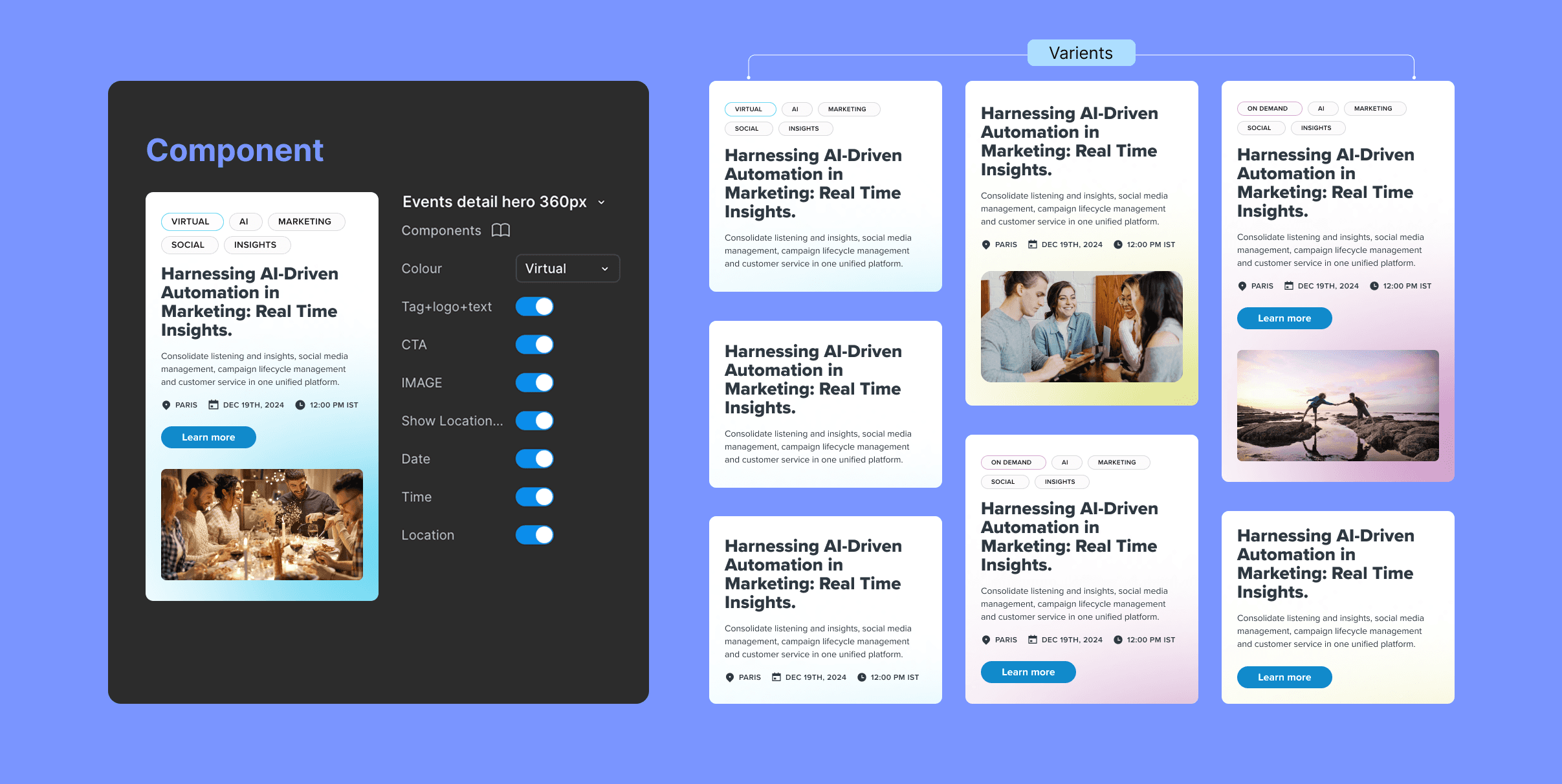
Sustainable components
I began by auditing every product interface. Then I designed flexible components that could adapt across contexts — eliminating duplicates and simplifying engineering.This shifted the mindset from project-based to system-based design.
02
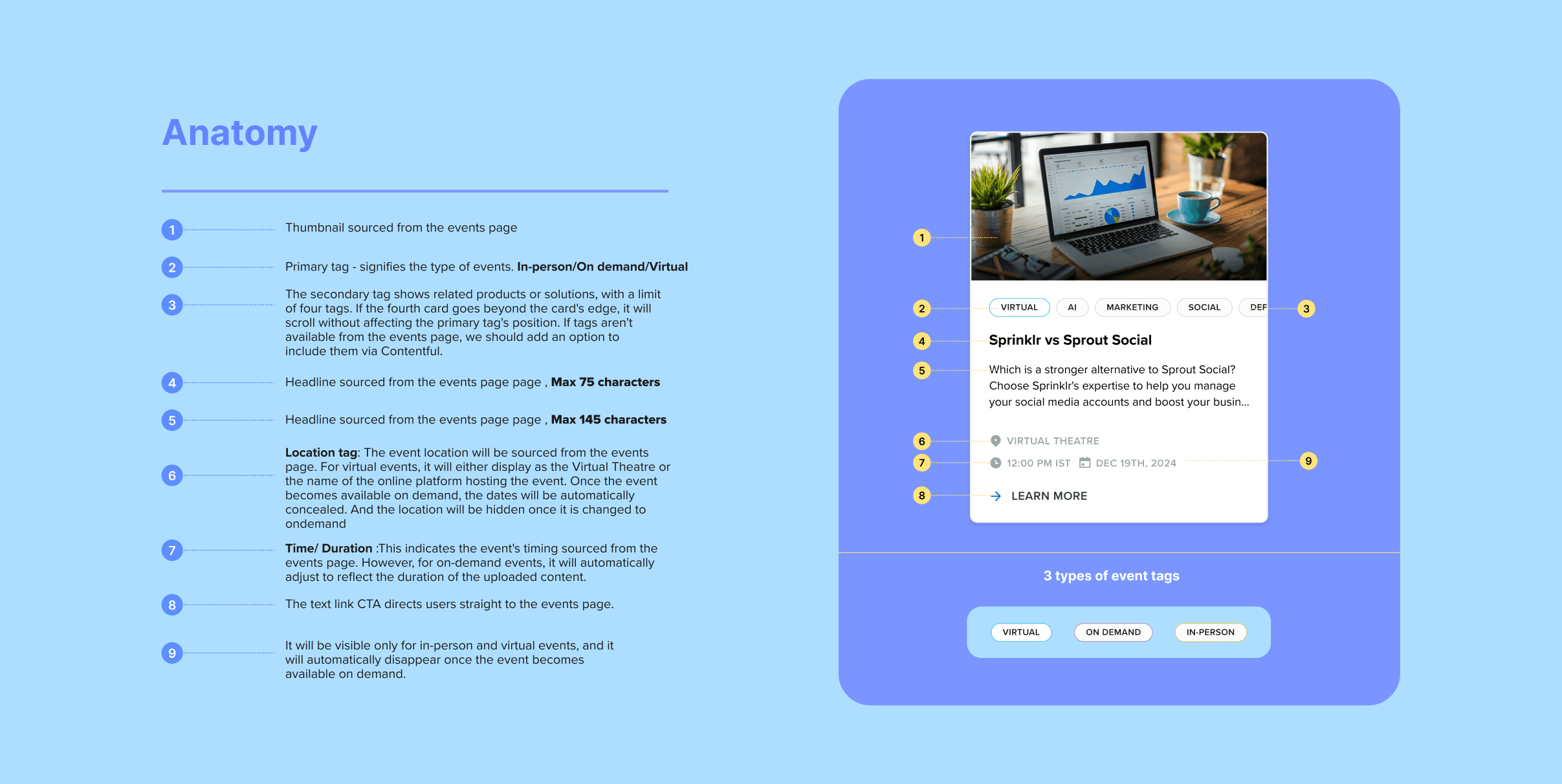
Documentation that works
I created a documentation system — a living library of components, patterns, and usage guidelines.This ensured a smooth handoff with engineering. For the first time, devs had everything they needed: specs, states, edge cases, accessibility notes — all in one place.
03
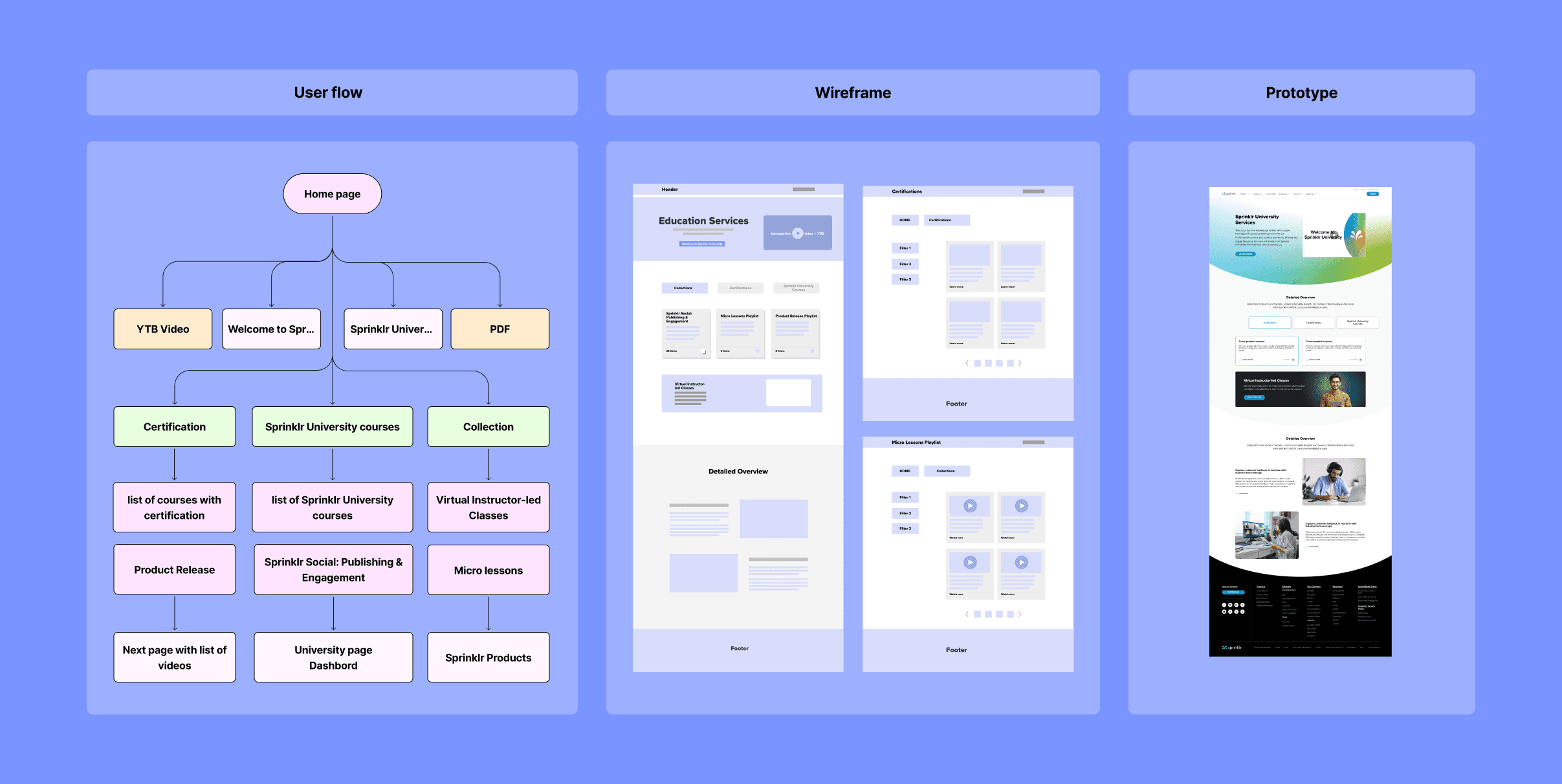
Design thinking from the ground up
There was no user research culture — so I built one.We started mapping user flows, wireframing early, and validating designs through rapid prototypes.We moved from “we think this will work” to “we know this works.”
04
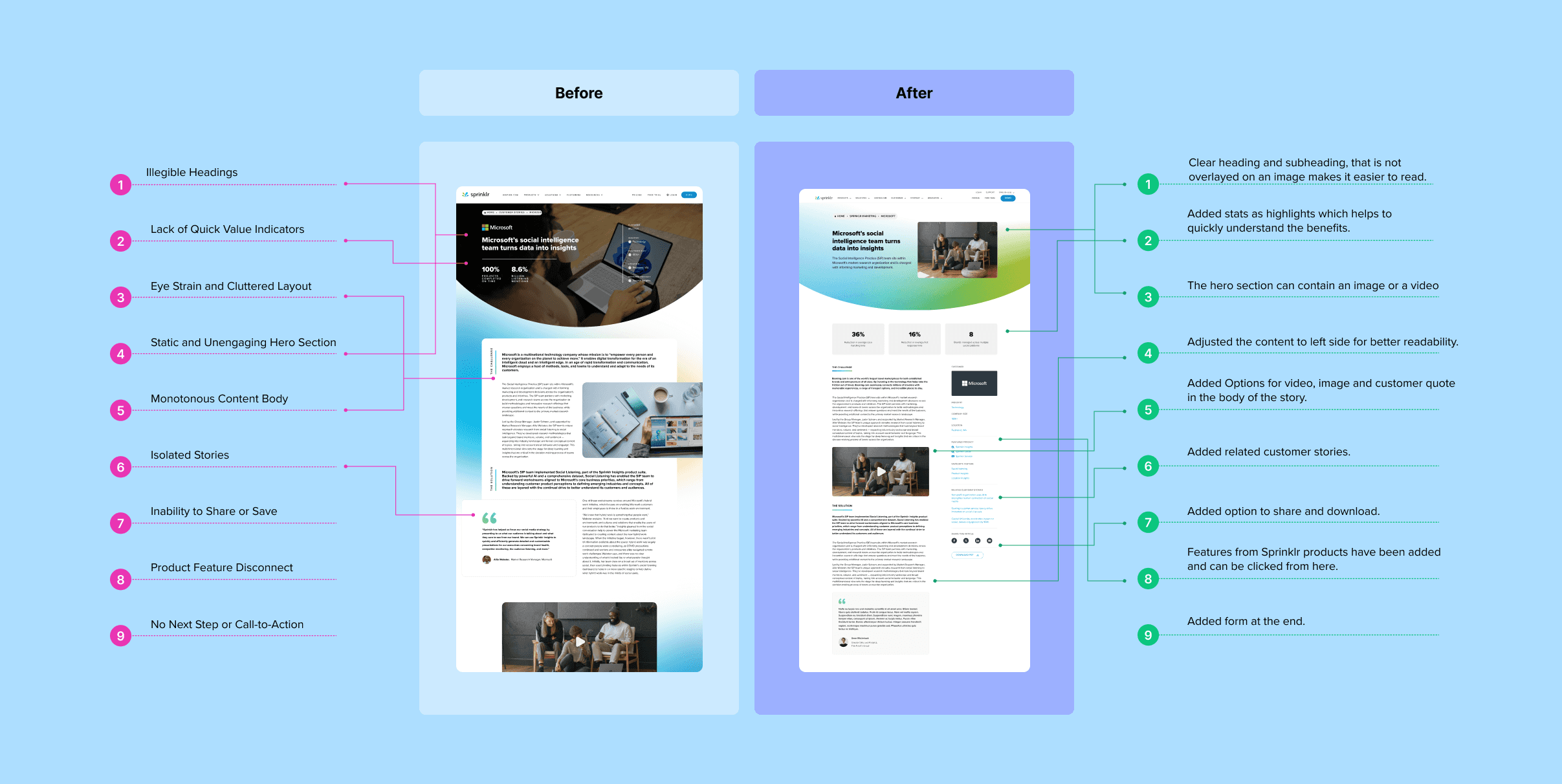
Data-driven redesign
To prove design’s value, I led a data-informed redesign.We analyzed user behavior to pinpoint where poor design caused friction.Redesigns based on these insights led to measurable improvements in task completion and engagement.
05
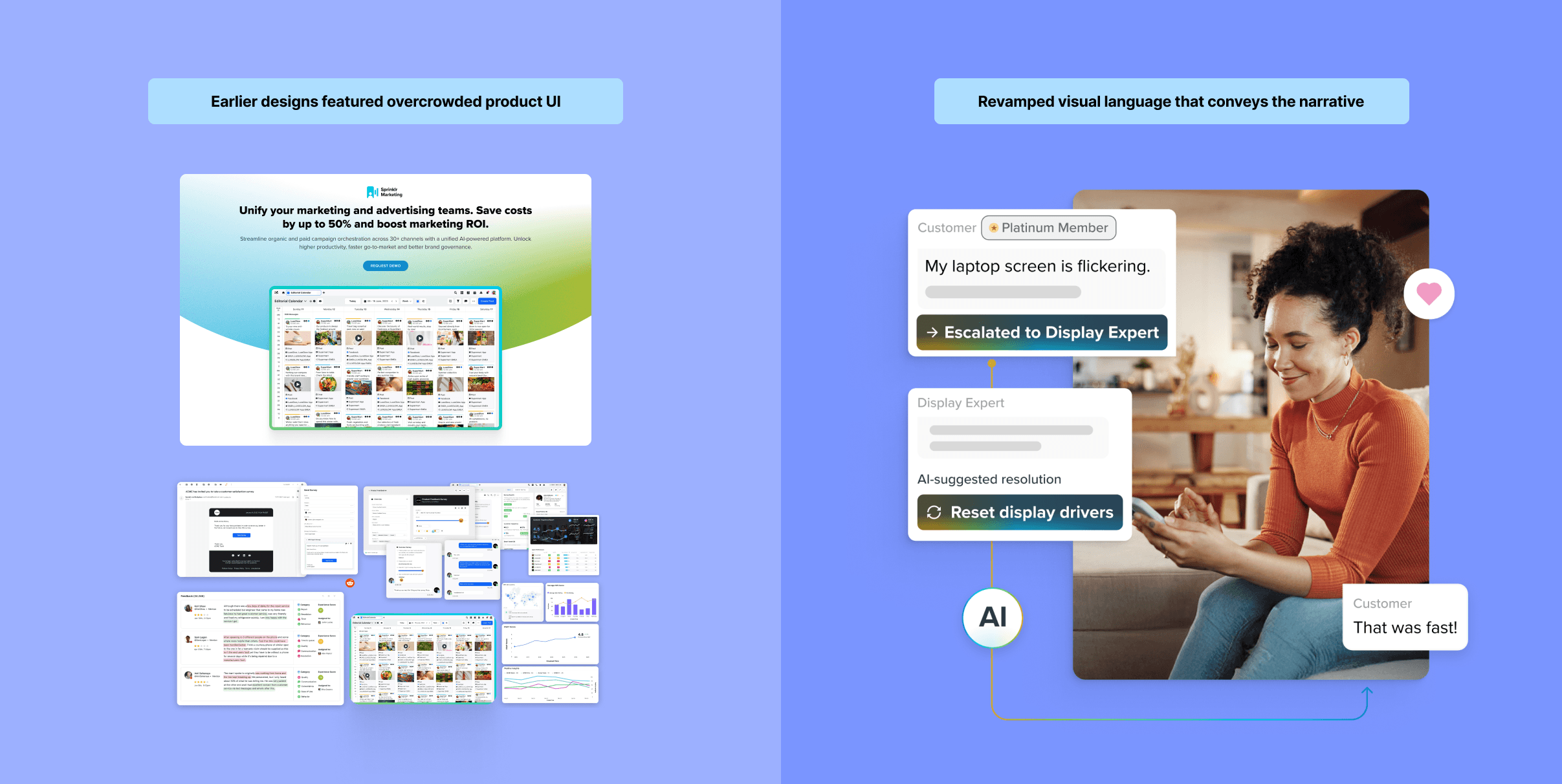
Visual storytelling
The previous product UI screens were cramped, hard to read, and lacked a cohesive narrative. I implemented visuals that tell a story—images that express the product's purpose and flow without needing to read everything on the page. Now, each visual conveys a clear message, enhancing the overall product experience.
06
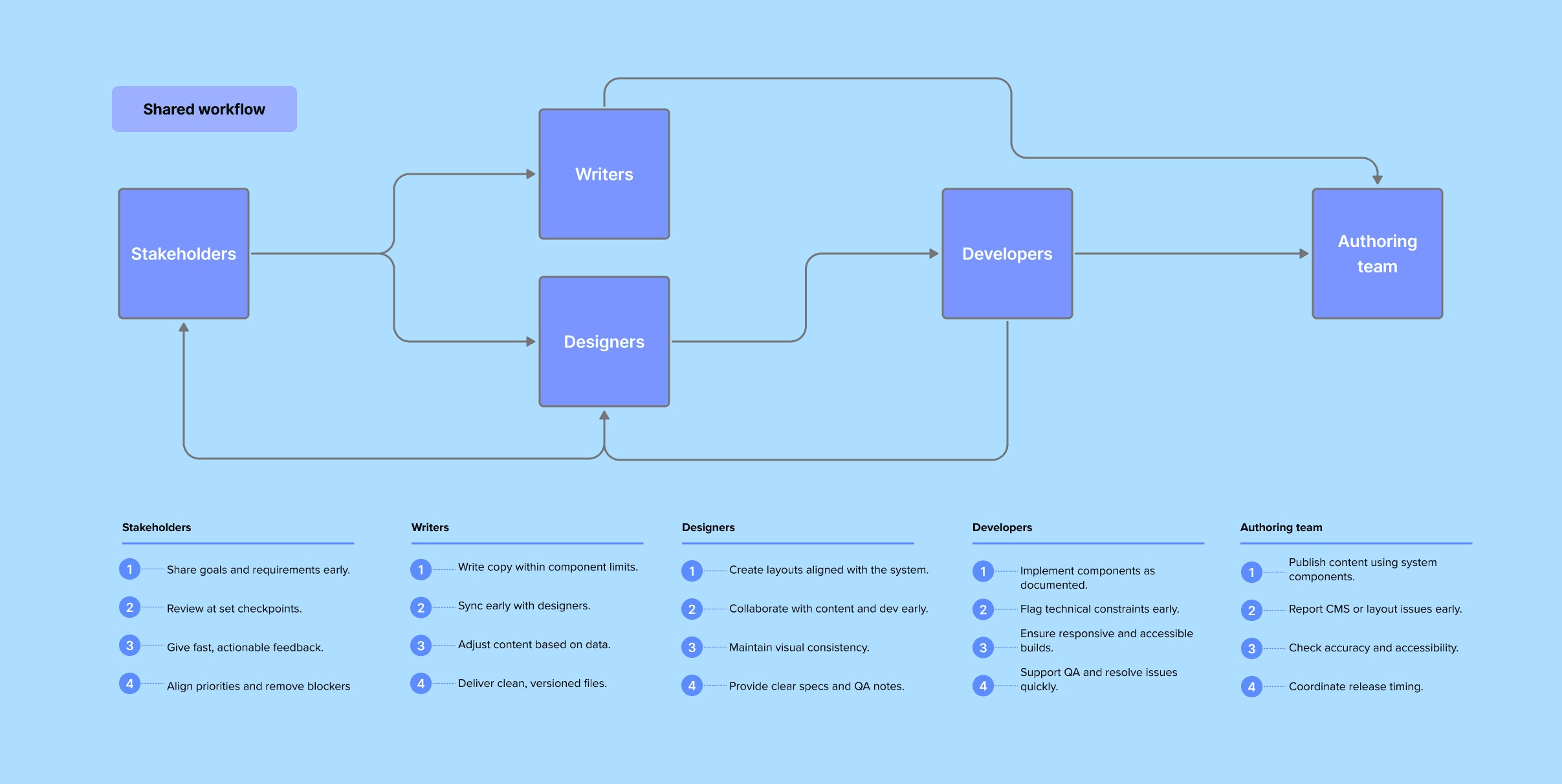
A collaborative loop
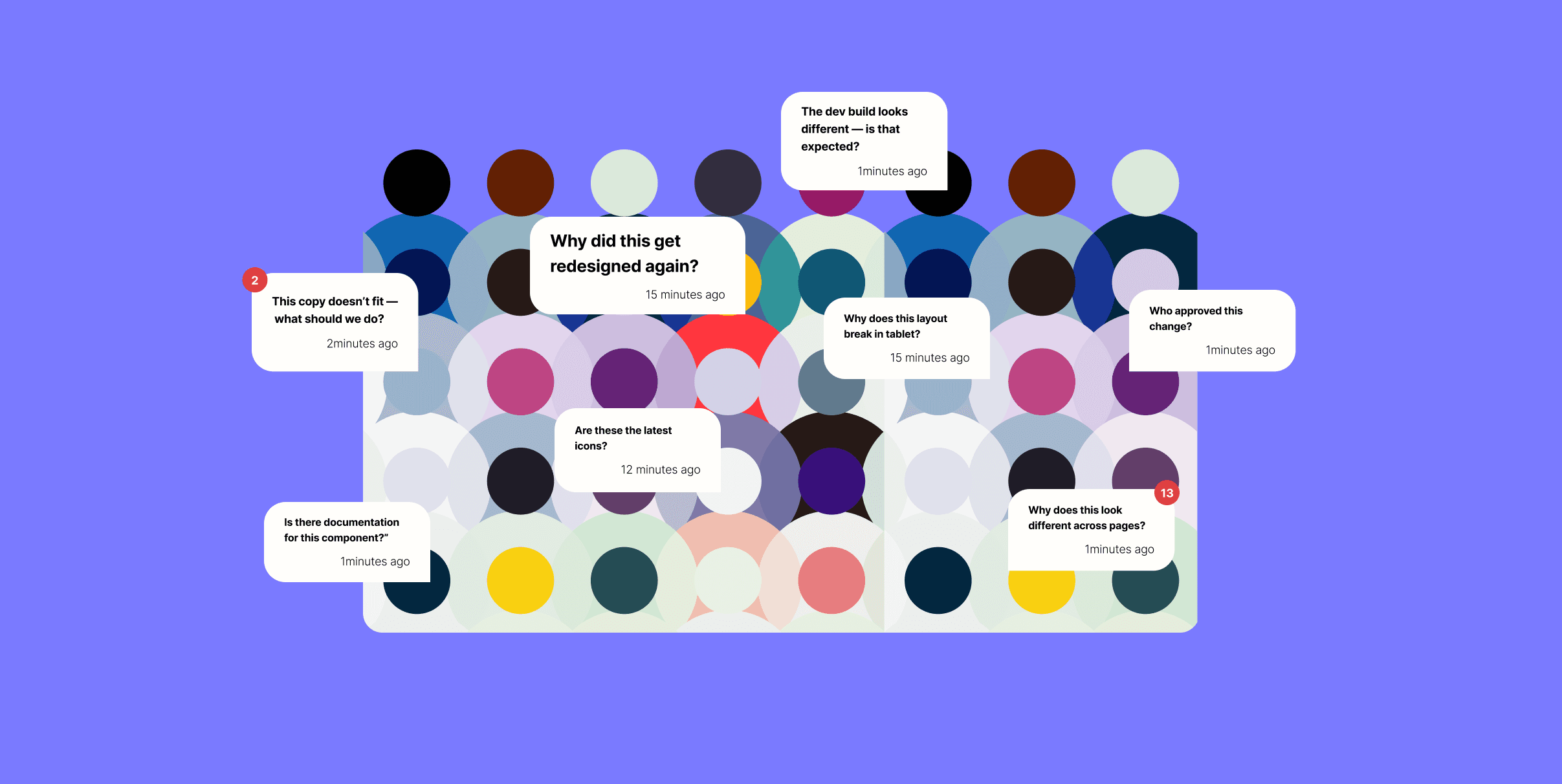
I united all moving parts — stakeholders, content writers, authors, and designers — into one shared workflow.Everyone knew their role, and visibility was transparent across stages.The result: fewer redesign cycles, faster approvals, and cleaner QA.
07
Continuous refinement
The system was never static.We continuously refined it — improving accessibility, responsiveness, and scalability across breakpoints.Each release made the system smarter.